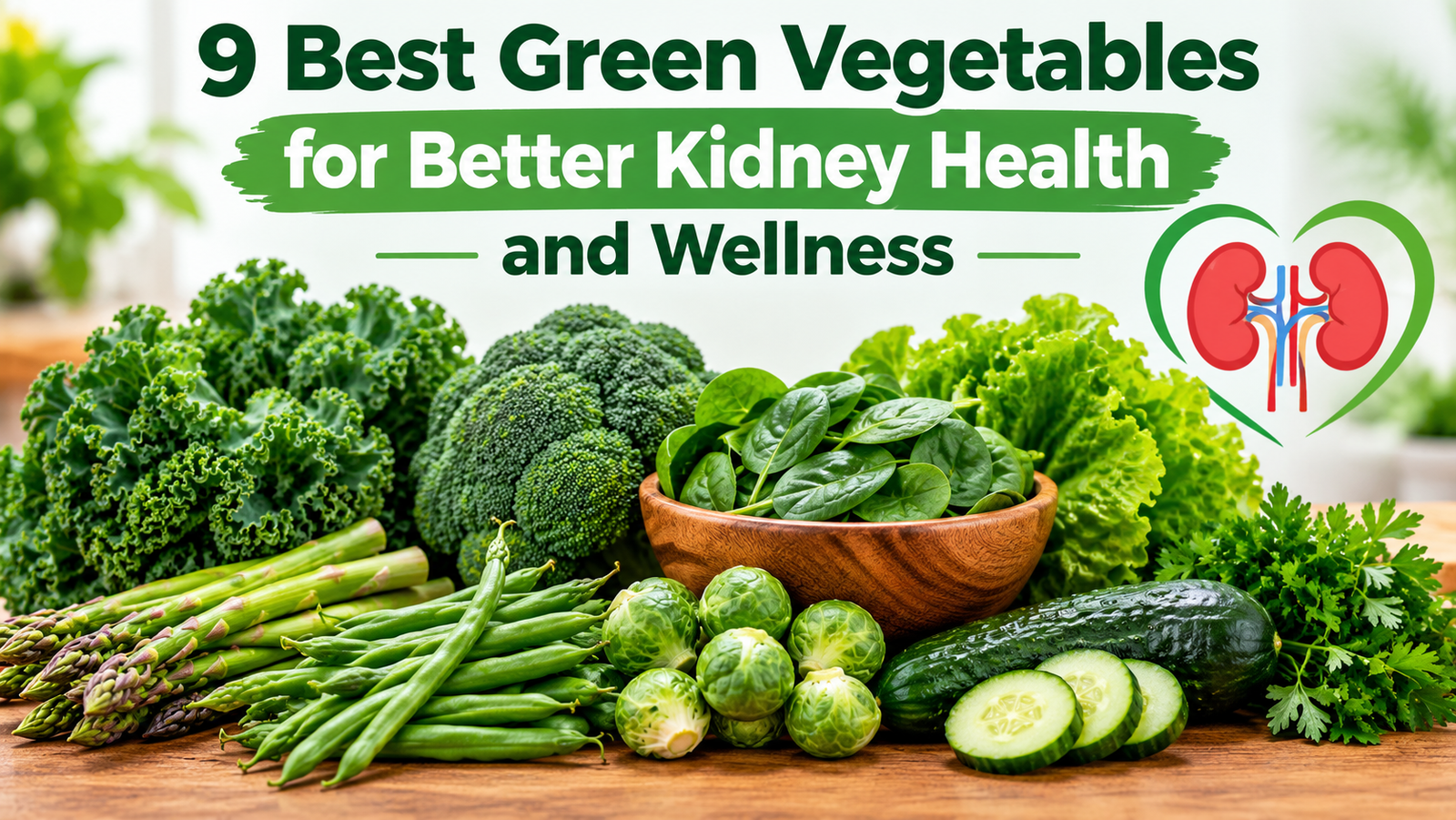

Green vegetables are an important part of a balanced diet because they provide vitamins, minerals, antioxidants, and dietary fiber. Adding a variety of vegetables to your meals can support overall health and help you maintain healthy eating habits. However, when it comes to kidney health, the right vegetables and portion sizes depend on your individual needs.
People with healthy kidneys can generally enjoy a wide variety of vegetables. Those living with chronic kidney disease (CKD) may need to monitor potassium, sodium, or phosphorus based on their laboratory results and medical advice.
Here are nine green vegetables that can be part of a healthy, kidney-conscious diet.
1. Cabbage
Cabbage is a nutritious vegetable that is relatively low in potassium compared with many other vegetables. It provides vitamin C, vitamin K, and fiber.
You can enjoy cabbage raw in salads, lightly steamed, or cooked in soups. Green cabbage may be especially useful for people who have been advised to follow a lower-potassium diet.
2. Kale
Kale is a leafy green vegetable rich in vitamins A, C, and K, along with antioxidants and fiber. It can contribute to a nutrient-rich eating pattern.
However, kale contains potassium, and its potassium content changes with preparation and serving size. People with kidney disease should follow their clinician’s recommendations rather than assuming every leafy green is suitable in unlimited amounts.
3. Broccoli
Broccoli contains vitamin C, folate, fiber, and other beneficial plant compounds. It can be served steamed, roasted, or added to soups and stir-fries.
Fresh broccoli is often a lower-potassium option than some cooked vegetables, although the final amount depends on the serving size and cooking method.
4. Green Beans
Green beans provide fiber, vitamin C, and several other nutrients. They are versatile and can be served as a side dish or mixed into a vegetable bowl.
For a kidney-conscious meal, prepare green beans with herbs, garlic, or a small amount of olive oil instead of adding excessive salt.
5. Lettuce
Lettuce is a useful source of water and provides small amounts of vitamins and minerals. It is commonly included in salads, sandwiches, and wraps.
Many lettuce varieties are relatively low in potassium, making them an option for people who need to monitor their potassium intake.
6. Cucumber
Cucumber is refreshing, contains considerable water, and is generally low in potassium. It can be eaten raw, added to salads, or served with meals.
Choose fresh cucumber rather than heavily salted pickles if you are trying to reduce sodium intake.
7. Green Bell Peppers
Green bell peppers provide vitamin C, fiber, and plant antioxidants. They can be eaten raw, roasted, or added to soups and stir-fries.
They are also generally lower in potassium than some other vegetables, although serving size remains important for people following a kidney-specific diet.
8. Asparagus
Asparagus provides folate, vitamin K, fiber, and antioxidants. It can be steamed, roasted, or lightly sautéed as part of a balanced meal.
Fresh asparagus is often listed among lower-potassium vegetable options. Avoid adding large amounts of salt or salty sauces during preparation.
9. Zucchini
Zucchini is a mild-tasting vegetable that supplies fiber, water, and several vitamins and minerals. It works well in soups, roasted vegetable dishes, and stir-fries.
It is generally a lower-potassium option when compared with some other vegetables, making it a useful choice for many kidney-conscious meal plans.
Comparison Table: Green Vegetables and Kidney Health
| Green Vegetable | Key Nutrients | General Kidney-Diet Consideration |
|---|---|---|
| Cabbage | Vitamin C, vitamin K, fiber | Relatively low in potassium |
| Kale | Vitamins A, C, and K | Potassium varies with preparation |
| Broccoli | Vitamin C, folate, fiber | Fresh broccoli may be lower in potassium |
| Green beans | Fiber, vitamin C | Often a lower-potassium choice |
| Lettuce | Water, vitamins | Generally low in potassium |
| Cucumber | Water, vitamin K | Generally low in potassium |
| Green bell peppers | Vitamin C, antioxidants | Generally low in potassium |
| Asparagus | Folate, vitamin K | Often a lower-potassium choice |
| Zucchini | Water, fiber, vitamins | Generally lower in potassium |
These are general food comparisons, not a personalized kidney diet. Preparation, portion size, and individual laboratory results matter.
Tips for Eating Vegetables for Kidney Health
1. Monitor potassium when advised. Not everyone with kidney disease needs to restrict potassium. Follow your healthcare professional’s recommendations.
2. Reduce excess sodium. Limit heavily salted sauces, packaged seasonings, and processed foods.
3. Choose different vegetables. Eating a variety provides a broader range of nutrients.
4. Pay attention to preparation. Boiling and draining certain vegetables can reduce their potassium content.
5. Follow individualized advice. People with kidney stones may need different dietary changes depending on the type of stone they develop.
Frequently Asked Questions
Which green vegetable is best for kidney health?
There is no single best vegetable for everyone. Cabbage, lettuce, green beans, and cucumber are often useful lower-potassium options, while other vegetables can also fit into a healthy diet.
Are leafy green vegetables safe for people with kidney disease?
Many people with chronic kidney disease can eat leafy greens. Those with elevated blood potassium or specific dietary restrictions may need to adjust their portions.
Can vegetables improve kidney function?
Vegetables provide nutrients that support overall health, but no single vegetable can cure kidney disease or guarantee improved kidney function.
Should people with kidney disease avoid spinach?
Not necessarily. Spinach can be high in potassium, particularly when cooked into a smaller volume. People who need to limit potassium should discuss suitable portions with their kidney dietitian.
Final Thoughts
Cabbage, kale, broccoli, green beans, lettuce, cucumber, green bell peppers, asparagus, and zucchini can all contribute to a balanced eating pattern. The best choices depend on your overall health, kidney function, potassium levels, and medical advice.
Focus on varied vegetables, sensible portions, and lower-sodium preparation methods. If you have chronic kidney disease, consult a registered dietitian or healthcare professional before making major dietary changes.

Read More