
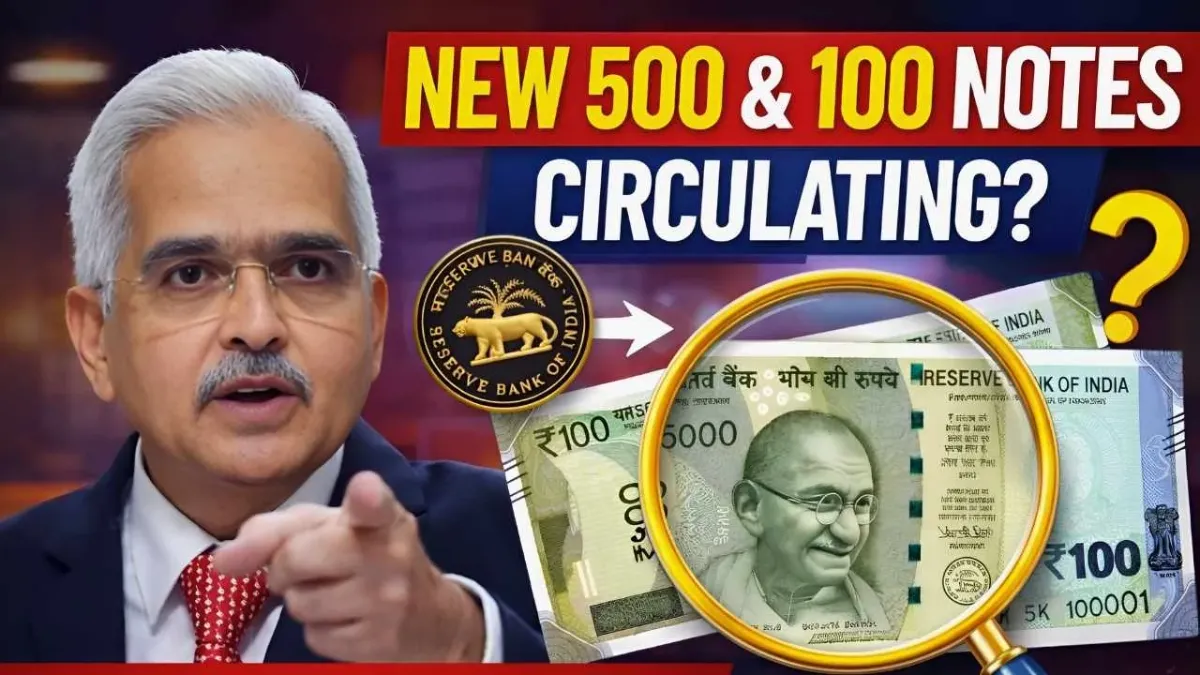
RBI ₹500 Note Rules 2026 India’s currency system continues to evolve with time, and the ₹500 note remains one of the most widely used denominations across the country. In 2026, fresh discussions and regulatory clarifications from the Reserve Bank of India (RBI) have brought renewed attention to currency handling, fake note detection, exchange norms, and banking compliance.
For common citizens, shopkeepers, business owners, and banking customers, understanding the updated ₹500 note rules is essential. This article explains the latest guidelines, security features, exchange policies, and practical impacts in a clear and easy-to-understand way.
Why the ₹500 Note Remains Crucial in 2026
Since the post-demonetization era, the ₹500 note has become the backbone of India’s cash economy. It balances convenience and high value, making it practical for everyday transactions.
In 2026, while digital payments have grown significantly, cash usage continues to play a vital role in rural areas, small markets, transportation services, and local retail businesses. Because of its high circulation, regulatory oversight on ₹500 notes remains strict and updated regularly.
Key RBI ₹500 Note Guidelines 2026
The RBI has reinforced certain rules regarding the use, exchange, and acceptance of ₹500 notes. These are not new currency introductions but updated regulatory clarifications to ensure smoother transactions and reduced fraud.
1. Acceptance is Mandatory
As per RBI regulations, valid ₹500 notes issued by the central bank remain legal tender. Refusing to accept genuine currency without valid reason may attract penalties under applicable laws.

2. Damaged Note Exchange Facility
Citizens can exchange torn, soiled, or slightly damaged ₹500 notes at banks. The refund amount depends on the extent of damage as per RBI’s Note Refund Rules.
3. Fake Currency Vigilance
Banks and financial institutions are required to detect and report counterfeit ₹500 notes. Customers presenting counterfeit notes will not receive reimbursement, as per RBI norms.
4. No Expiry Date
There is no expiry date for ₹500 notes currently in circulation. Any rumor suggesting withdrawal without official notification should be ignored.
Updated Security Features of ₹500 Note
The ₹500 note carries several advanced security elements to prevent counterfeiting. Citizens are encouraged to verify these features before accepting large cash payments.
-
Mahatma Gandhi portrait in the center

-
Security thread with color shift
-
Latent image of denomination
-
Micro-lettering
-
See-through register
-
Color-changing ink in denomination numeral

These features help ensure authenticity and reduce fraud risks.
₹500 Note Exchange & Banking Rules 2026 – Quick Overview
| Category | Rule/Guideline (2026) |
|---|---|
| Legal Status | Continues as legal tender |
| Damaged Notes | Exchangeable at banks as per condition |
| Fake Notes | Confiscated without compensation |
| Bulk Deposits | Subject to bank reporting norms |
| Expiry | No expiry unless officially notified |
| ATM Withdrawal | As per bank daily limits |
Impact on Common Citizens
The 2026 clarifications mainly focus on improving awareness rather than introducing drastic changes. For the general public, this means:
- Smooth transactions without confusion.
- Better protection against counterfeit risks.
- Clear rules for damaged note exchange.
Small businesses are advised to use counterfeit detection methods, especially when dealing with high-value cash transactions.
Impact on Businesses and Retailers
Retailers often face situations where customers claim notes are valid despite visible damage. With RBI guidelines clearly outlined:
Businesses can confidently refuse severely damaged notes while directing customers to bank branches for exchange.

Additionally, businesses are encouraged to install UV scanners or currency verification machines to detect fake ₹500 notes quickly.
Digital Payment Push Alongside Cash Stability
While the RBI continues to promote digital payment systems like UPI, the central bank also ensures that physical currency remains stable and trustworthy. The 2026 updates show that India is maintaining a balanced approach between digital and cash economies.
This ensures financial inclusion for people without digital access while strengthening anti-counterfeit systems.
Public Advisory: Avoid Rumors
In recent years, social media rumors have caused confusion regarding currency bans or sudden withdrawals. RBI clearly states that any currency withdrawal will only occur through official announcements.
Citizens are advised to verify updates directly from official banking sources before acting on viral messages.

1. Is the ₹500 note going to be discontinued in 2026?
No. There is no official announcement regarding discontinuation. The ₹500 note remains valid legal tender.
2. Can I exchange a torn ₹500 note?
Yes. Banks will exchange damaged or soiled notes depending on their condition under RBI Note Refund Rules.
3. What happens if I unknowingly deposit a fake ₹500 note?
Banks will confiscate counterfeit notes. No compensation is provided, even if deposited unknowingly.
4. Is there a limit on depositing ₹500 notes in banks?
There is no specific limit on ₹500 notes, but large cash deposits may be monitored under income tax and anti-money laundering regulations.
Final Thoughts
The RBI ₹500 Note Rules 2026 mainly emphasize clarity, counterfeit prevention, and smooth exchange processes. There are no drastic policy changes, but increased awareness and vigilance are encouraged.